

Rising rents and inflation have outpaced the ability for families and individuals to find affordable housing. Today, 35,000 applicants are on a waiting list for housing vouchers, and our local working families, which include police officers, teachers, firefighters, and nurses, are being priced out of the city.
In the middle of this crisis, Nueces County Commissioners are using taxpayer dollars to fund a lawsuit that would end the city’s Workforce Housing Opportunities (W.H.O.) Program and eliminate more than 1,500 affordable housing units for working families at complexes throughout the city.
Join the fight to protect these families and the future of workforce housing in Corpus Christi.
Save Workforce Housing is a coalition of affordable housing providers, developers, employers, and working families who believe we need housing options that allow those who work in Corpus Christi to afford to live in Corpus Christi.
The Workforce Housing Opportunities Program requires 13 apartment complexes across the city to designate at least half of their units for working families whose rents are required to stay below 30% of their incomes.
The designation of 1,533 apartments for low-moderate income families, which Nueces County Commissioners are attempting to eliminate by using a taxpayer-funded lawsuit to end the W.H.O. Program.
A stable workforce will provide local essential services and attract new investment and job creation in the Coastal Bend.
In 2023, Corpus Christi Housing Authority (CCHA) launched an initiative called the Workforce Housing Opportunities (W.H.O.) Program to provide more housing options for families whose incomes make it challenging to find affordable rent.
The CCHA approached several apartment-complex owners about participating in a proven workforce-housing model used in cities across Texas, including Dallas, Houston, Fort Worth, San Antonio, Austin and Denton, with the goal of establishing “mixed-income developments” that provide affordable housing for working families considered “low income” by the U.S. Department of Housing and Urban Development. In Corpus Christi, the qualifying amount is 80% or less than the Area Median Family Income, or $66,160 for a family of four.
CCHA signed contracts to acquire (not purchase) the land of 13 apartment complexes. Now owned by CCHA (a public entity), the properties are exempt from property taxes, making it economically feasible for the apartment-complex owners to designate at least 50% of their units for workforce housing and cap rental rates at 30% of a qualifying family’s income.
As part of the W.H.O. Program, these 13 apartment complexes reserve at least 50% of their units for working families earning 80% or less than the Area Median Family Income. Of those reserved units, 10% are designated for working families earning 60% or less than the Area Median Family Income, or $49,620 for a family of four.
Corpus Christi faces an affordable housing crisis. The incomes of our local working families have not kept pace with rising costs and inflation. The Corpus Christi Housing Authority (CCHA), an independent public entity with a Board of Commissioners appointed by the Mayor, launched the W.H.O. Program to provide affordable rental options for working families who spend more than 30% of their income on rent, making them “rent burdened,” and limiting their ability to afford other necessities or save. The W.H.O. Program addresses the affordable housing shortage by partnering with market-rate rental properties to create mixed-income developments.
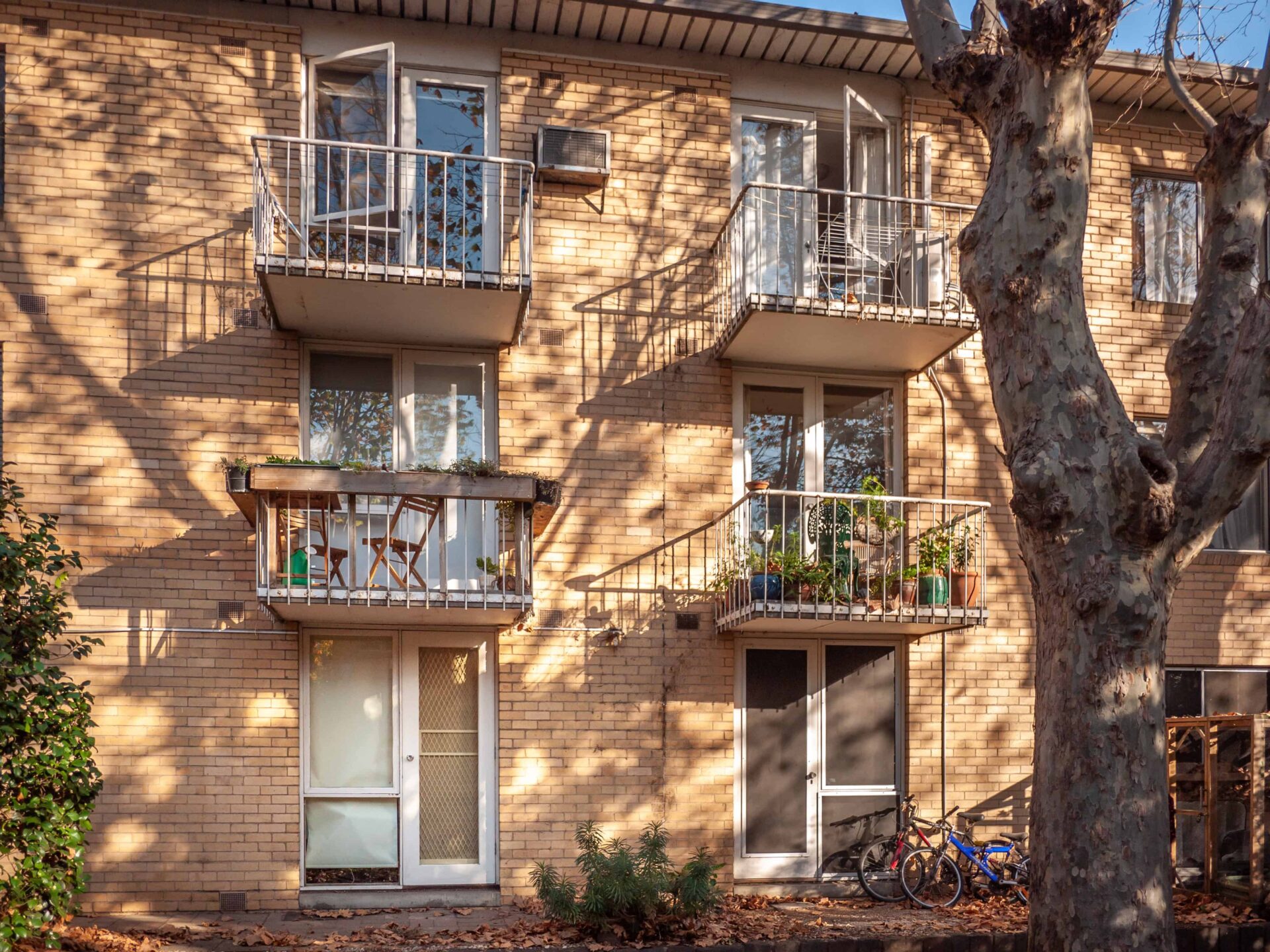
The program began in 2024, when CCHA approached the owners/operators of 13 local apartment complexes with an interest in acquiring and leasing their land back to them. This structure removes the apartment complexes from the property tax rolls and provides the flexibility necessary to provide housing to working families at lower rates.
The complexes are required to offer at least half of their units at rates that do not exceed 30% of a qualifying family’s income, providing stability and predictability, and making it possible for members of the local workforce considered “low-income” by the U.S. Department of Housing and Urban Development to live in areas they would have previously been unable to afford.
Combined, the 13 apartment complexes are contractually obligated to set aside 1,533 units to accommodate working families who qualify to participate in the program.
The program was designed to provide housing for working families, which include essential workers like teachers, nurses, firefighters and police officers, who earn too much to qualify for traditional very-low-income housing but still have a difficult time finding affordable rents in the city.
The properties in the W.H.O. Program offer reduced rent for qualifying individuals and families earning 80% or less than the Area Median Family Income (AMFI) –– considered “low income” by HUD –– and even greater rent reductions for qualifying individuals and families earning less than 60% of AMFI. For a family of four, the qualifying income for the 80% program is $66,160 or less; for the 60% program, it is $49,620 or less.
Although CCHA operates independently under the direction of a Board of Commissioners, the Nueces County Commissioners claim CCHA violated the Texas Open Meetings Act when it approved the workforce housing agreements, even though they were approved in duly noticed open meetings. The County is making this claim in hopes of reclaiming property taxes, even if it means more than 1,500 working families could lose their homes.
After raising its property tax rate by 9.07% in September 2025, the County is now using taxpayer dollars to eliminate affordable rent for local working families.
No. This is a proven model used in cities across Texas, including San Antonio, Houston, Dallas, Fort Worth, Austin and Denton, to provide better housing options for working families struggling to find affordable rents in the cities where they work.
This local government infighting at taxpayer expense is misguided and self-defeating. It ignores both the importance of a stable workforce to provide local essential services and the labor necessary for business and industry to consider investing and creating jobs in the Coastal Bend.
Using taxpayer dollars to back out of contracts and break the City’s promise to the local workforce tells developers and employers that Corpus Christi is an unreliable investment option. Nueces County‘s lawsuit hurts economic growth.
If Nueces County wins the case, the apartment complexes will no longer be contractually bound to reserve apartments for affordable housing or offer reduced rents. Over time, this could lead to higher rents and fewer housing options for hundreds of working families who provide essential services to our community.
While Nueces County’s lawsuit is pending, the apartment complex owners participating in the program may front pay the property taxes that would be due if Nueces County wins the case. If Nueces County loses the case, the County will have to refund any amounts paid, plus interest – a big risk of taxpayer dollars.
Join the fight to protect these families and the future of workforce housing in Corpus Christi by sending a letter to the Corpus Christi Mayor and City Council below.